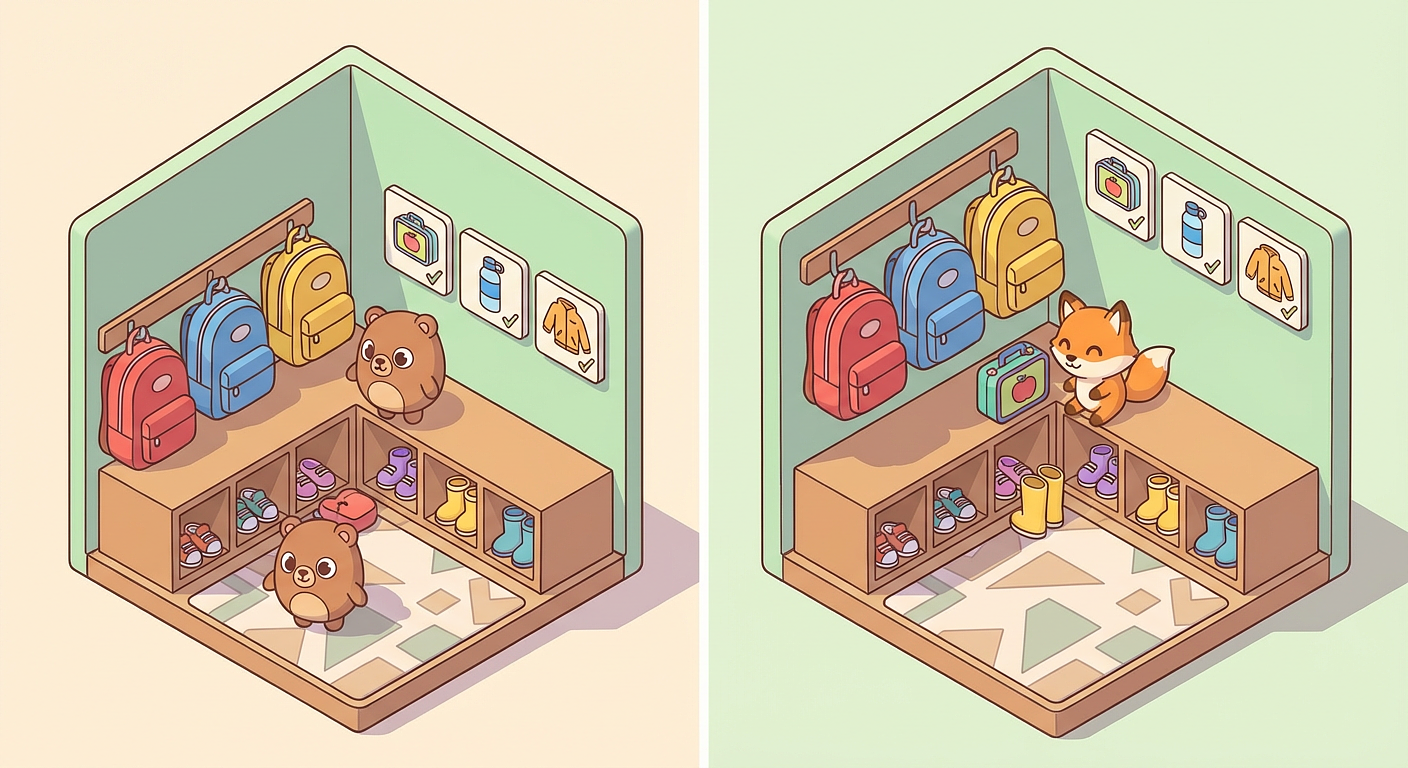
Your morning routine for school sets the tone for the entire day. When mornings are chaotic, everything else follows suit -- late arrivals, forgotten lunches, missed permission slips, and cranky kids in the car. But a solid routine takes most of the thinking out of it.
This isn't about becoming a Pinterest-perfect family. It's about building a repeatable system that works on Monday and still works on Friday.
Why a Morning Routine for School Matters
Kids thrive on predictability. When they know what comes next, there's less arguing, less dawdling, and fewer meltdowns. A consistent morning routine for school means you're not reinventing the wheel every single day.
It also cuts down on decision fatigue -- for you and for them. When the backpack always goes by the door and shoes always go in the bin, nobody has to think about it at 7:15 AM.
Set Up the Night Before
The best morning routines actually start the night before. Doing prep work in the evening removes half the chaos from your morning.
What to prep the night before:
- Clothes laid out. Let your kid pick their outfit before bed. This eliminates the 20-minute wardrobe standoff.
- Backpack packed and by the door. Homework, signed forms, library books -- all zipped up and ready.
- Lunch prepped or planned. Even partial prep helps. Cut veggies, portion snacks, or just decide what's going in the lunchbox.
- Check the school calendar. Field trip tomorrow? Spirit day? Knowing what's coming prevents morning surprises.
If your school sends evening emails with reminders or schedule changes, take two minutes to scan them before bed. Staying on top of school communications saves you from unpleasant surprises at drop-off.
Build a Step-by-Step Morning Checklist
A visual checklist works wonders, especially for younger kids. Write it on a whiteboard, print it out, or stick it on the fridge. Keep it simple and in order.
Sample morning checklist:
- Wake up and get dressed
- Eat breakfast
- Brush teeth and wash face
- Put on shoes
- Grab backpack and lunch
- Out the door
The specific steps matter less than the consistency. Your kid should be able to run through the list without you narrating every step. That's the goal.
For older kids, the checklist might live on their phone or just become second nature. But even middle schoolers benefit from a posted routine during the first few weeks of school.
Time Anchors Keep Everyone on Track
Instead of barking hurry up!
every three minutes, use time anchors. These are specific times tied to specific actions.
- 6:45 -- Wake up
- 7:00 -- Dressed and downstairs
- 7:15 -- Breakfast done
- 7:25 -- Teeth brushed, shoes on
- 7:30 -- Out the door
Post these times alongside the checklist. A clock in the kitchen (analog for younger kids, digital for older ones) helps them self-monitor. You'll still need to nudge sometimes, but the clock becomes the authority, not you.
Handle the Email and Calendar Check
School mornings often come with last-minute information. A teacher sends an email about a change in pickup. The PTA sends a reminder about a bake sale. The sports coach updates practice times.
Build a quick parent check into your routine -- just two or three minutes while the kids eat breakfast. Scan school emails, check the family calendar, and flag anything that changes the plan for the day.
If you're drowning in school emails from multiple kids or multiple schools, tools like EmailSnapshot can help by pulling all your school messages into one organized view. That way your morning check takes 60 seconds instead of 10 minutes digging through inboxes.
You can also set up email filters to automatically sort school messages so the important stuff floats to the top.
Breakfast That Works on School Mornings
Complicated breakfasts are a weekday trap. Save the pancakes for Saturday. School mornings call for speed and nutrition.
Quick breakfast ideas:
- Overnight oats (prepped the night before)
- Toast with peanut butter and banana
- Yogurt with granola
- Hard-boiled eggs (batch-cook on Sunday)
- Cereal with fruit
- Smoothies (pre-bag the ingredients and blend)
Let kids choose from two or three options. Too many choices slow things down. And if your kid is a slow eater, move breakfast earlier rather than cutting it short.
What to Do When the Routine Falls Apart
It will happen. Someone sleeps through the alarm. The dog gets into the trash. Your kid announces at 7:20 that they need a poster board for a project due today.
The key is having a Plan B
mindset.
- Running late? Have a grab-and-go breakfast option ready (granola bars, fruit pouches).
- Forgot something at school? Keep basic supplies at home -- extra pencils, folders, glue sticks.
- Missed an important school email? Set aside five minutes after drop-off to catch up so nothing slips through the cracks.
Don't aim for perfection. Aim for good enough, most of the time.
Even a routine that works 80% of mornings is a massive improvement over winging it daily.
Adjust the Routine by Age
What works for a kindergartner won't work for a 7th grader. Adjust the level of independence and the routine itself as your kids grow.
Younger kids (K-2nd grade):
- Need hands-on help and verbal prompts
- Visual checklists with pictures work best
- Build in extra buffer time -- everything takes longer than you think
Older elementary (3rd-5th grade):
- Can follow a written checklist independently
- Start giving them ownership of packing their own bag
- Introduce an alarm clock so they practice waking up on their own
Middle school and beyond:
- They should own their routine almost entirely
- Your role shifts to occasional reminders and being available for problems
- Focus on teaching them to check their own school emails and calendar
This gradual handoff is important. The goal isn't just surviving mornings -- it's teaching your kids time management and organization skills they'll use for years.
Make Mornings Less About School Admin
A big chunk of morning stress comes from school logistics. Permission slips, picture day forms, lunch money, fundraiser envelopes -- the list never ends.
Tackle these during your evening prep instead of scrambling in the morning. Keep a designated spot (a basket, a folder, a clipboard) where school paperwork lives. When something comes home, deal with it that night or put it in the to do
spot.
If your school communicates digitally, staying organized with your email is just as important as managing paper. Having a system for managing school emails means you're not hunting for that one message about early dismissal while your kid waits with their shoes on.
A Quick Note About Screen Time
It's tempting to let kids watch a show or play on a tablet while they eat breakfast. But screens during the morning routine tend to slow everything down. Kids get absorbed and suddenly you're prying the iPad away at 7:28.
If screens are part of your morning, make them the last step -- a reward for being ready early. If you're dressed, fed, and packed by 7:15, you can have 10 minutes of screen time.
This turns the routine into motivation rather than a battle.
Conclusion
A morning routine for school doesn't need to be complicated. Prep the night before, use a simple checklist, set time anchors, and build in a quick parent email check. Adjust as your kids get older and give yourself grace when things go sideways.
The mornings that run smoothly won't feel remarkable -- and that's exactly the point. You want boring, predictable mornings that get everyone where they need to be, on time, with everything they need. Start with one or two changes this week and build from there.